How to Build a Handyman List That Fits One Four-Hour Visit
The first four hours of a visit are already spoken for, so the list you hand over decides how much actually gets fixed.
October 17, 2026 · 4 min read
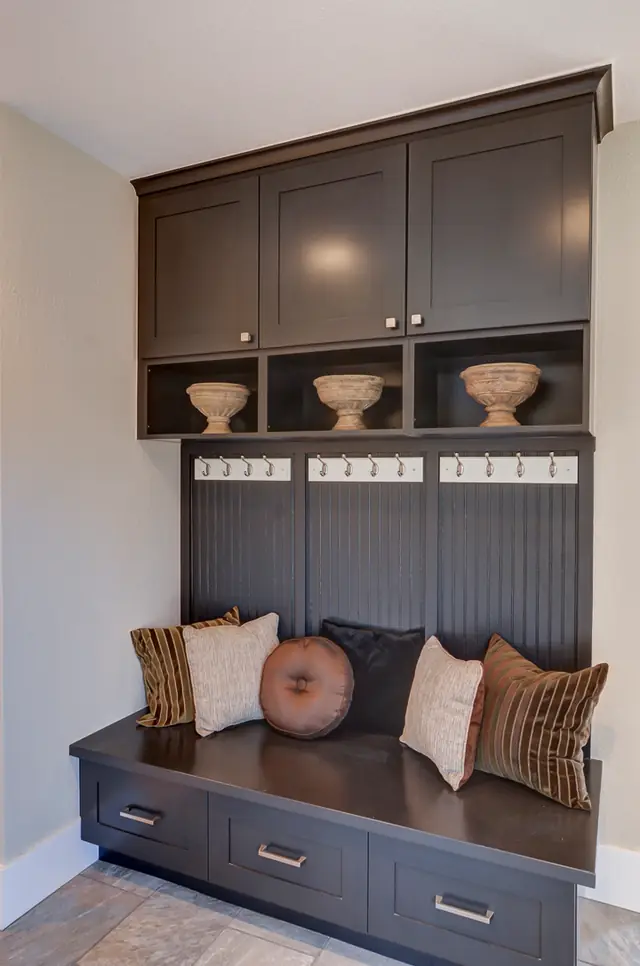
Most people call a handyman the same way. One thing breaks, they pick up the phone, and halfway through the call they remember six other things. That instinct is a good one, because the six other things are where the value is. Home Improvement Express bills by the hour with a published four-hour minimum, so the way you put your list together decides how much work fits into one visit. A tight list gets a lot done. A one-item list pays for the minimum and leaves the rest of the afternoon on the table.
How the four-hour minimum works
HIE publishes its rates on the company FAQ: $165 per craftsman hour and $95 per apprentice hour, with a four-hour minimum on labor, which comes to $660 at the craftsman rate. There's no trip fee and no charge for an estimate. Treat those figures as the published starting point, not a quote. The written estimate for your job is what confirms the numbers that apply to you.
What matters for planning is simple. Once you've booked a visit, the first four hours are spoken for, so the real question is what you want done in them. A sticking door that takes forty minutes is a poor use of a visit by itself. That same door next to a loose stair baluster, a cracked length of trim, and a patch of drywall is a good use of one.
Walk the house with a pen
Don't write the list from memory. Walk every room, including the garage, the basement, and the yard. Open the closets. Run the faucets. Try every door and every window. You'll find things you've stopped seeing because you've lived with them for years: the towel bar that's been leaning since spring, the outlet cover that never got screwed back on, the gate that drags in the grass.
Write each item as a plain sentence about what's wrong, not what you think the fix is. 'Master bath door rubs the frame at the top corner' tells the craftsman more than 'plane the door.' The real cause might be a loose hinge or a swollen jamb, and a good description lets the person with the tools decide.
Group by room, then by trade
Once you have the raw list, sort it two ways. First by room, so nobody is walking back and forth through the house all morning. Then by kind of work. Carpentry, doors, and trim tend to travel together. So do drywall patches and the paint touch-ups that follow them. Tile, basic plumbing, and basic electrical each have their own setup and cleanup.
- Doors that stick, drag, or won't latch, plus loose hinges and strike plates
- Trim that's cracked, pulled away from the wall, or missing a piece
- Drywall nail pops, dings, and small holes left by old hardware
- Deck boards, railings, and fence panels that are loose or rotting
- Caulk that's cracked around tubs, sinks, and backsplashes
- Fixtures: a dripping faucet, a running toilet, a dead outlet, a ceiling fan swap
- A few vinyl or laminate planks that have lifted or chipped
Take photos before you send anything
For jobs that fit inside a day, HIE's process is to email photos and a short description to estimates@hie-noco.com. That works better than most people expect. Take each photo twice: one wide shot that shows where the problem sits in the room, and one close shot of the damage itself. Number the photos to match the lines on your list so nothing gets lost.
Bigger jobs work differently. Anything that needs measuring or a string of decisions, like a bathroom refresh, goes through a free in-home estimate. Say which kind of project you're describing right at the start, so the small repairs and the large one don't get tangled into a single conversation.
Flag what only needs a look
Some items on your list are questions, not tasks. A stain on a ceiling. A floor that feels soft near the dishwasher. A crack that has grown since last year. Put those in their own section and say plainly that you want a diagnosis. Ask for an honest read while someone is on site.
Sort out materials ahead of time
HIE says it doesn't mark up the materials it buys, and the hourly labor rate covers the time to shop and deliver. Subcontracted items such as countertops, cabinets, and glass are marked up. If you've already bought something, like a faucet or a light fixture, say so and have it on site the day of the visit. If you'd rather the craftsman pick it up, say that too, and expect that shopping time to be part of the labor.
Put a priority on every line
Mark each item A, B, or C. A means it's getting worse: leaks, rot, anything unsafe. B means it bugs you every day. C means it's cosmetic. When the estimate comes back you'll know exactly what to cut or add. If the A and B items fill the four hours, you're done. If they don't, the C items are the best way to use whatever time is left.
Send it all in one message
Put the list, the numbered photos, and your priorities into one email to estimates@hie-noco.com, or call 970-632-0138 from Fort Collins if you'd rather talk it through. Ask for the written estimate and read it against your list line by line. HIE publishes a one-year warranty on its labor, so keep that estimate and the final invoice together in a folder where you'll find them next year.
Home Improvement Express, 970-632-0138
Call 970-632-0138More articles
Selling Your House: How to Clear the Inspection List After You Go Under Contract
Most inspection reports look worse than they are, and a good share of the items are exactly the kind of repair a handyman handles in a day.
Partial or Complete: How to Scope a Kitchen Remodel
The biggest decision in a kitchen project is whether the layout stays put, and everything else follows from that answer.